

A squat white classroom of only thirty-two chairs. My English class has officially entered the brave new world – quite literally. We’ve just begun our unit on genetic engineering, and I’m already wondering how soon this scientific enthusiasm is going to turn into a dystopian “I should have known”. Personally, when it comes to matters like these, I find myself on the side of writers, such as Mary Shelley, Robert Louis Stevenson, and Aldous Huxley – geniuses, who have shaped my view on matters such as designer babies and cloning.

However, and this comes as no surprise, genetic engineering is generally seen as favourable. In class, I used the example of Shelley’s Frankenstein to showcase my thoughts on the fatal consequences of this scientific hubris, primarily discussing the unnatural and dystopian aspects of it. While some agreed with me, one statement made by a classmate truly stuck out to me: Although genetic engineering and meddling with the laws of nature has been portrayed as dangerous in literature, we can also observe examples in films and tv shows, which turned out surprisingly well, even beneficially, such as the clones in Star Wars. I have to admit, I admired the bravery. Bringing Star Wars into a serious ethics debate is bold territory, especially with how protective the fandom can be.
Logically, this article is a rebuttal to the claim made that clones are a good thing. Before diving into the actual topic of my article, I’d like to mention that, having watched all Star Wars films worth watching, Jar Jar Binks is smarter than the clones – there, I said it. Being genetically engineered for absolute obedience, then turning on their generals the moment a hooded politician in a bathrobe whispers the magic words, “Execute order 66” without a second thought doesn’t exactly scream “enlightened consciousness” or “human flourishing.” If that’s the beneficial outcome of cloning, I’ll pass. This conversation made me think of something else though: society’s infatuation with “designed” humans and the idea of attaining perfection through science.
It seems to me like we don’t stop to appreciate that man already is made perfect – made in the image of a divine creator, if you will. I find it frightening to think that we have sunken to such depths that we don’t see the innate beauty in being alive naturally, no machines involved.
We run to scientific development without taking a moment to evaluate the ethical implications of such choices. This doesn’t just include the question of a God whose laws we would be going against, but goes to the very core of human dignity. What does it say about us, if we are willing to replace man with uncanny clones? What does it say, if we are so psychologically damaged that we would rather eliminate than acknowledge human flaws? We are more willing to hide behind a façade of “acting in the name of science and the good of all”, than to acknowledge the truth: we have been made to feel disillusioned with life and are seeking something new. When man begins to see himself as something to be corrected and enhanced by science, we know we have crossed the line – this is what dystopias have been warning us about.
Unfortunately, society is driven by the prideful flaunting of scientific advancements, and will stop at nothing until it proves man to be more powerful than life itself. Naturally, the question arises: What can we do to appreciate life in times, such as this one – when the prospect of artificial, “perfect” life is on the horizon? What must we do to prevent Cletus from wishing his parents made him more charismatic in the designer baby lab?
I think, we ought to begin by appreciating life itself. No life needs to be changed before birth. The odds of your existence are 1 in 400 trillion.
The way we are born, the abilities we innately possess, even the disabilities or sicknesses we inherit are all part of an exhaustingly long list of ancestors. Regardless of foreseeable illnesses, which may make a person’s life more difficult in the long run, life must be cherished. The idea that a life free of difficulties is preferrable to one which is defined by them is a horrific conclusion to arrive at.
In this highly scientific and secularised age, we do not see life as a blessing or miracle, but something which needs to be perfected and controlled to prove its worth – if it isn’t perfect, it’s not worth it. This is an entirely wrong and catastrophic stance to take.
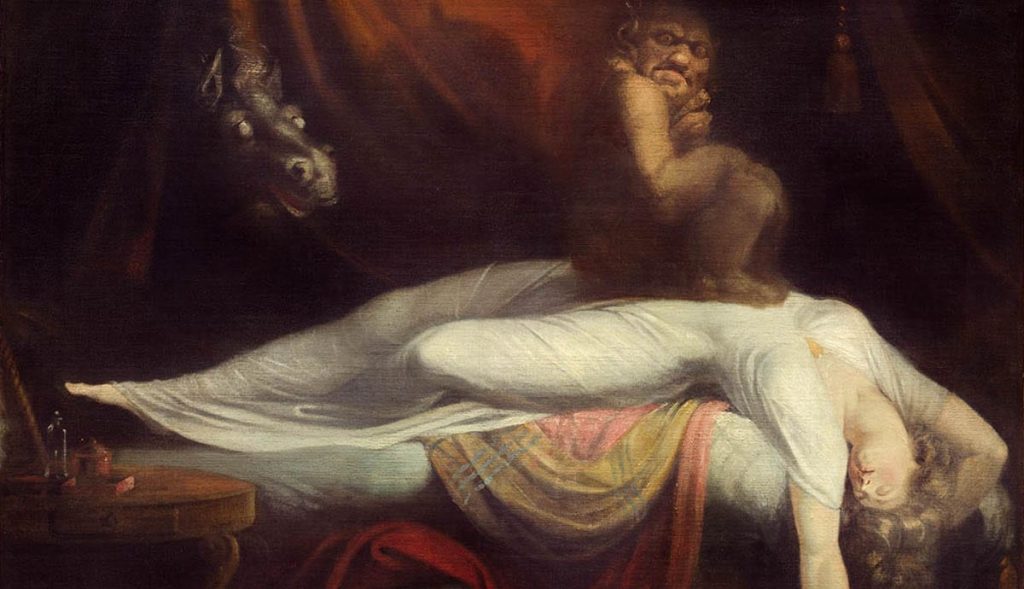
Man was never supposed to be perfect in the conventional sense. Where would we be now if all the brilliant minds of literature and art, for instance, gave up because they weren’t perfect? Kafka’s novel The Trial was never finished and Antonio Gaudi didn’t live to complete the construction of the Sagrada Familia – still, everybody knows and reveres their lives’ works. Herman Melville still manages to baffle us with his masterpiece of a novel Moby Dick, despite it being an utter commercial failure throughout his lifetime. Even James Joyce has been described as harmful to literature, despite Ulysses always making first or second place on the most impressive and important books to have read.
Why am I going off on a tangent about classic authors? Partly because I deem literature the most honest form of human expression, but mostly because all of this goes to show how perfection is never the end goal – and it shouldn’t be. Thinking that cloning humans will bring prosperous times of greatness and genius is wishful thinking. If we want to achieve great things, we can do so on our own. Greatness is within and cannot be forced or created mechanically. If parents were able to create designer babies in the lab, parenthood and life would no longer be about love or cherishing existence.
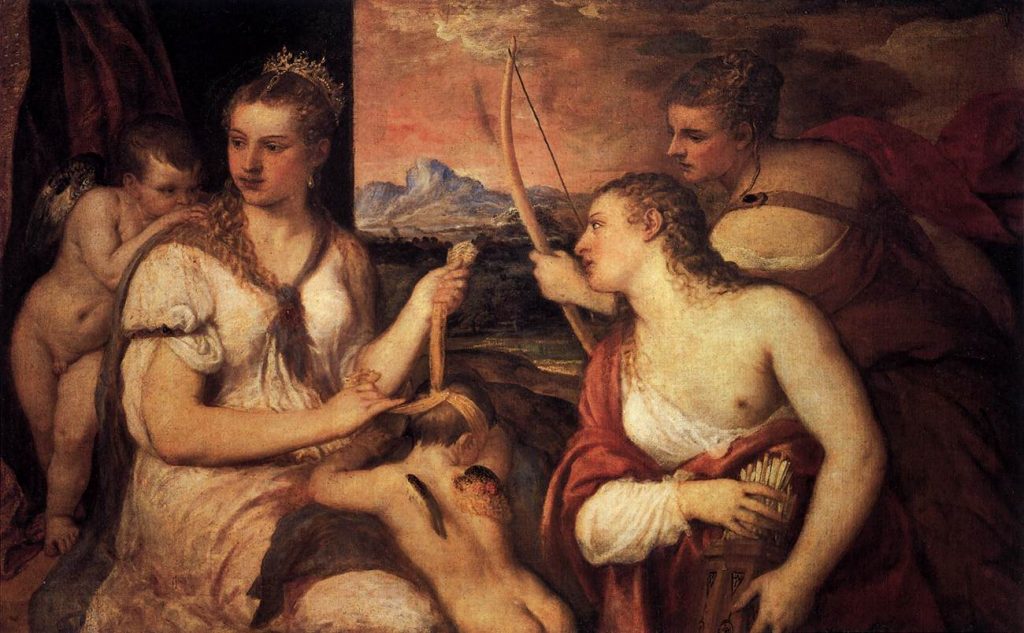
In the words of Shakespeare: “Love looks not with the eyes, but with the mind; and therefore is winged Cupid painted blind.” True love is blind to flaws, faults, or failure. It is not physical, but spiritual and emotional. Therefore, genetic engineering could never replicate what it means to be alive. Being alive is an act of love.